Why Empty Homes Make Buyers Work Too Hard
July 8, 2026
By: Viano Decor
Have you ever walked into a house that looked incredible in the listing photos, then stepped inside and felt surprisingly underwhelmed?
The floors were shining. The paint was fresh. Everything was clean. But something felt off. The rooms seemed smaller than you expected. A little cold. A little awkward. You found yourself studying the corners, trying to figure out where a sofa would go, whether a dining table would even fit. And just like that, instead of imagining your life there, you were solving puzzles.
Nothing was wrong with the home. Your brain was just working harder than it should have been.
Empty Rooms Ask Buyers to Fill In the Blanks
When a room has nothing in it, buyers have to answer questions they did not even realize they were asking. How big is this space really? Will my furniture fit? Why does this layout feel awkward? What was this area even designed for?
And here is the thing about brains under pressure. They are not generous. Empty rooms consistently feel smaller than they are. Open floor plans feel confusing instead of spacious because there is nothing to define where one area ends and another begins. Ceilings that should feel dramatic feel ordinary. A room that photographs beautifully with furniture in it becomes a guessing game without any.
Every unanswered question adds a little more doubt. And doubt is the thing that keeps buyers from committing.
Buyers Are Already Carrying a Full Plate
By the time someone walks through your listing, their head is already full. They are thinking about the mortgage, the commute, the school district, the neighborhood, whether the backyard works, whether the kitchen is big enough for the holidays, and whether they are making the right decision at all.
There is already plenty competing for their attention before they ever open the front door.
When the house itself becomes another problem to figure out, something important shifts. Buyers stop imagining their future there and start analyzing what is in front of them. That shift is quiet and fast and it happens without anyone noticing. But agents who have done enough showings know exactly what it looks like. The buyer moves through the rooms quickly. They do not linger. They say something polite on the way out and you never hear from them again.
What Staging Actually Does
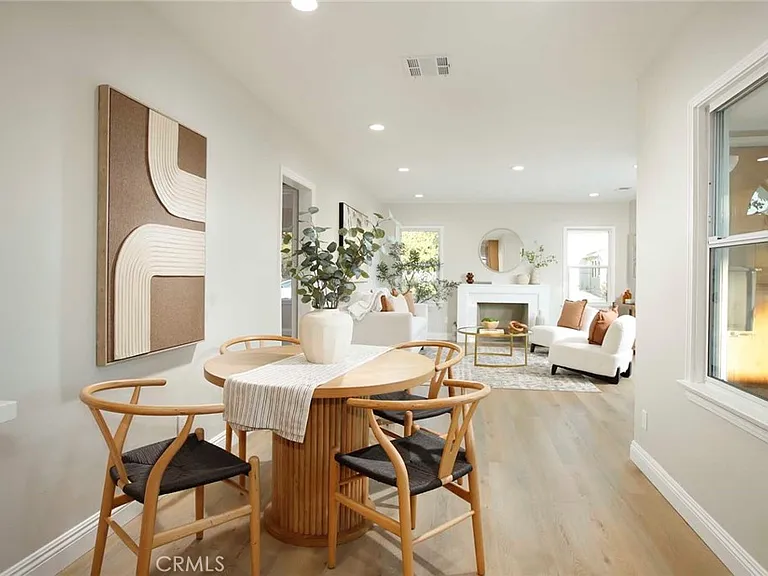
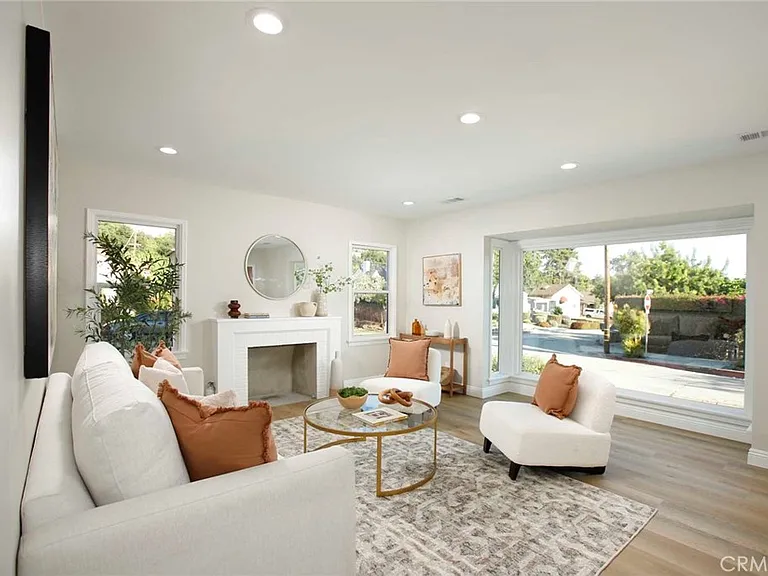
A well staged room gives buyers answers before they have to ask.
A sofa in the right spot shows exactly how the living room functions. A dining table confirms there is real room for family dinners. A styled bedroom communicates rest the moment you walk in. A reading chair in an otherwise empty corner tells a story about how a person could actually live in that space.
The room stops being a puzzle and starts being a place.
The National Association of Realtors found that 83 percent of buyers agents say staging helps buyers visualize a property as their future home. That is not because staged homes look prettier. It is because buyers spend less mental energy trying to understand the space and more time imagining themselves in it. Less work means more feeling. And feeling is what moves people to make offers.
Not All Staging Tells the Right Story
Here is something that does not get said enough. Bad staging can be almost as distracting as no staging at all.
Furniture that is too large makes rooms feel cramped. Pieces that are too small make the home feel disconnected and temporary. A sleek modern condo near the water should not tell the same story as a Spanish style home in Pasadena or a four bedroom family home in Orange County. Every neighborhood has its own personality. Every likely buyer has different expectations.
Good staging is not about filling a house with beautiful furniture. It is about helping the right buyer immediately understand the lifestyle that home is offering. That requires knowing who is most likely to walk through the door and what they need to feel the moment they do.
That answer is different every single time.
The Small Details Are Doing the Heavy Lifting
A properly scaled rug makes a room feel larger without anyone being able to say exactly why. Artwork draws attention toward architectural features instead of blank walls. Lighting softens a space and adds warmth that photographs and showings both benefit from. Accessories create rhythm without clutter.
None of these decisions happen by accident. Each one quietly removes another question the buyer did not know they were carrying. And when enough of those questions disappear, the home simply feels right.
People remember that feeling long after they forget the square footage.
At Viano Décor, staging has never been about making a home look occupied. It is about making the experience of walking through it feel effortless. When buyers can stop solving puzzles, they start picturing birthday dinners around the dining table, movie nights in the living room, morning coffee by the window.
They stop looking at rooms. They start seeing home.
And sometimes that is the difference between a showing someone forgets on the drive home and one they are still thinking about when they call their agent.
One more thing. Joanna, the founder of Viano Décor, got married this summer. And standing in her ceremony space that morning, surrounded by every detail that had been chosen with care, she had a thought about exactly this. A beautifully designed space does not announce itself. It just makes every person in it feel at ease before anything has even happened. We are going to share more of that story soon.