DIY vs. Professional Staging: Why the Difference Shows Up in the Offer, Not the Room
September 7, 2026
By: Viano Decor
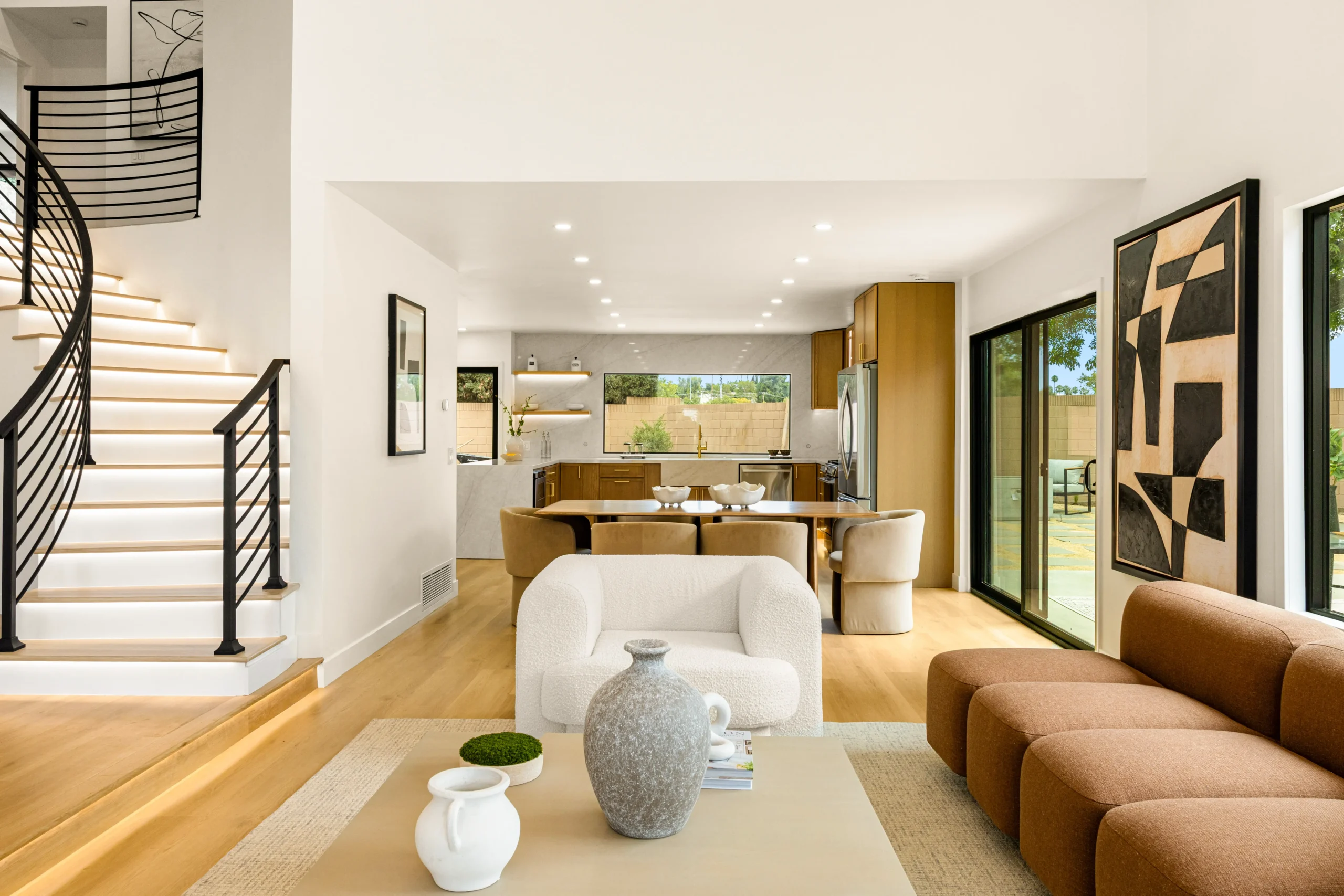
When preparing your home for sale, you may wonder about DIY vs professional staging and which approach is right for your property. Both options have advantages, and the right choice depends on your budget, timeline, and goals. One seller spent her whole Saturday on it. New throw pillows from three different stores. The couch pulled to a new angle. Family photos boxed up and swapped for a single framed print she found on sale. By Sunday night, the living room looked nicer, or so she thought. Instead, it sat through two open houses with no offers. Eventually, her agent gently asked whether it might be time to call in help. She hadn't done anything wrong exactly. She just hadn't done what a buyer needed her to do, and that turns out to be a different skill than making a room look nice for yourself.
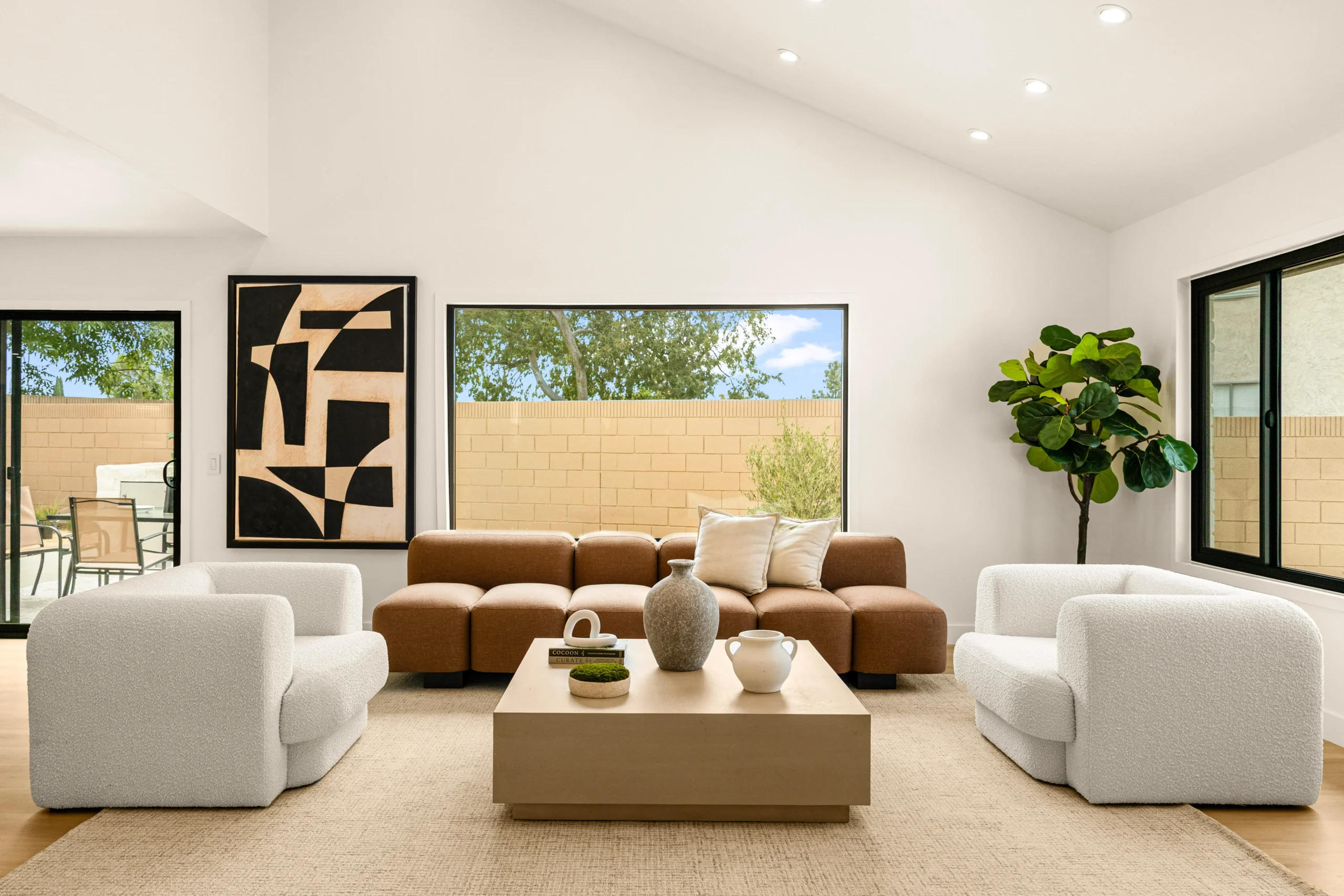
A photo can make DIY staging and professional staging look almost identical. However, the process behind them is not. Only one is built around how buyers actually make up their minds. Viano Decor works out of a 5,000-square-foot warehouse in Commerce, CA. There, a full-time team runs a five-step process that can turn a listing around in as little as 48 hours, a pace no weekend project gets close to. And here's the thing about that kind of work: every so often it turns into a sale of its own. Buyers fall for a staged sofa, a dining set, a whole bedroom collection, hard enough that they buy it outright through Casa Viano instead of letting it go with the house.
The Bias You Can't Stage Around
The hardest part of staging your own home is not taste. Rather, it's distance. Sellers spend years deciding where the couch goes, which chair belongs to whom. Over time, those choices stop being visible. A stager who has never set foot in the house has the opposite problem: no memory of it at all. As a result, the room reads the way a buyer will see it in the first eight seconds, not the way the owner has seen it for eight years. That kind of objectivity is hard to manufacture for your own home.
Pinterest Boards Don't Come with a Tape Measure
Most DIY staging runs into the same wall: scale. A rug sized a notch too small. Art hung to fit the wall instead of the sightline. A statement chair that looks beautiful on its own but gets in the way of how people move through the room. These are spatial problems more than taste problems. In fact, they're hard to catch in your own home because you already know how to step around them without thinking. Reading scale, sightlines, and flow before color ever enters the conversation takes practice built from staging hundreds of homes, not a weekend spent scrolling inspiration photos.
Inventory Is the Part Nobody Sees
Behind every professionally staged home sits a curated inventory: pieces sourced, tested, and matched to work together as a set. Doing it yourself, on the other hand, usually means buying one item at a time, weeks apart, from different stores and under different budgets. And it shows. A professional stage feels put together because it was, coordinated from the start rather than assembled piece by piece.
Local Taste Is Part of the Skill
What counts as "staged well" changes from one market to the next. It's not something you'll pick up from a national home-improvement show. For instance, buyers in Los Angeles and Orange County respond to indoor-outdoor flow, warm natural materials, and light, sun-friendly palettes — tastes that don't always carry over from staging content made for a colder, denser market somewhere else. Someone staging alone is usually pulling ideas from general inspiration boards. A local stager, meanwhile, pulls from something more concrete: homes that have closed escrow down the street in the last few months.
DIY vs Professional Staging: The Cost Comparison People Get Backwards
Sellers often treat staging as a cost to avoid, with DIY as the free alternative. Actually, the math tends to run the other direction, which is really the heart of DIY vs professional staging: the cost isn't the invoice, it's the carrying costs while a DIY-staged home sits. Every extra week a home sits unsold usually costs more, in carrying costs and price cuts, than a staging invoice ever would. One Viano Decor listing sold in just three days for well over asking after staging. In another case, an agent reported a sale for $60,000 more than the same home's earlier, unstaged listing. A staging fee has to compete with numbers like that, not with a hypothetical zero.
What You're Really Paying For with Professional Staging
Give a seller more time and a bigger budget, and they still would not land in the same place. Professional staging runs on buyer psychology, an eye trained by hundreds of past homes, and one advantage no seller has: they have never lived in the house. So, they can see it for what it is instead of what it's always been to the people who have. And the data backs that up — 83% of buyers' agents say staging helps buyers visualize a home as their future residence, according to NAR's 2025 Profile of Home Staging. Staging your own home usually comes from attachment: every memory tied to that couch, that chair. Professional staging, by contrast, starts from a different question: what will make a total stranger want to live here.
That's the real difference in DIY vs professional staging — it doesn't show up in the photos. It shows up in the offer. If you're deciding between a weekend project and a proven process, we'd love to help.